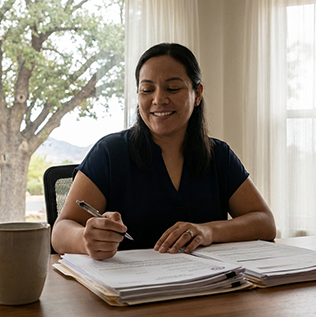
If Your Property Taxes Went Up, Start With This
If your property taxes went up, don’t assume the new amount is automatically accurate. Increases can happen for many reasons, but overassessment is more common than most homeowners realize. Reviewing your appraisal, checking property details, and understanding your options early can help you avoid overpaying and make more informed decisions.
%2520(4).png)
Key Takeaways:
- Property taxes can increase due to rising home values, reassessments, or local budget changes.
- A higher tax bill doesn’t always mean your home is accurately valued.
- Overassessment is a common reason homeowners overpay on property taxes.
- Automated appraisal models may not reflect your home’s actual condition.
- Large year-over-year value jumps can signal potential overvaluation.
- Incorrect property details can impact your assessed value.
- Reviewing your appraisal early helps homeowners make informed decisions.
- Property tax appeals are a normal part of keeping assessments fair.
- Deadlines for reviewing or protesting property values are time-sensitive.
- Awareness and early review can help prevent unnecessary overpayments.
If Your Property Taxes Went Up, Start With This
Opening your property tax notice and seeing a higher number than last year can feel frustrating — and confusing. Many homeowners assume increases are just part of homeownership. But if your property taxes went up, it’s worth taking a closer look before accepting the new amount.
You’re not alone. Every year, thousands of homeowners are surprised by rising assessments. The good news? A higher tax bill doesn’t always mean the value is accurate.
Here’s what you should know — and where to start.
Why Property Taxes Go Up
Property tax increases can happen for several reasons. Some are expected, while others are less obvious.
1. Rising Home Values
When the housing market grows, appraisal districts adjust values to reflect recent sales. Even if you didn’t renovate or make improvements, your assessed value may rise along with nearby homes.
2. Market Reassessments
Counties periodically update property values based on new data. If your area has seen strong demand or development, your property may be reassessed higher.
3. Local Budget Changes
Property taxes also depend on local funding needs. Schools, infrastructure, and public services are funded partly through property taxes, which can affect rates year to year.
4. New Construction Adjustments
If you bought a newly built home, the first full tax assessment often happens after construction is complete — which can cause a noticeable jump.
5. Inflation and Cost Shifts
As costs rise across the economy, municipalities may adjust tax structures to keep up with spending needs.
While these factors are common, they don’t automatically mean your new value is accurate.
The Most Overlooked Reason: Overassessment
One of the biggest reasons property taxes go up — and one of the least discussed — is overassessment.
Appraisal districts estimate home values using mass data models. These models rely on neighborhood averages, recent sales, and automated valuation methods. While efficient, they aren’t perfect.
In many cases, the assigned value may not fully reflect the reality of your specific home.
Small inaccuracies can add up quickly, especially in fast-growing markets like Texas.
Signs You Might Be Overpaying
If your property taxes went up, here are a few indicators that your home might be overassessed.
Your Neighbor Pays Less
If similar homes nearby have noticeably lower assessments, it may be worth comparing values.
Your Home Has Condition Issues
Older roofs, foundation concerns, outdated interiors, or drainage problems can affect real value — but they aren’t always reflected in assessments.
The Value Jumped Quickly
Large year-over-year increases can sometimes signal an aggressive valuation rather than true market change.
Property Details Are Incorrect
Incorrect square footage, missing depreciation, or outdated records can influence assessments more than homeowners realize.
These situations are more common than most people think.
What Homeowners Should Do First
If your property taxes increased, the first step is simple: review, don’t react.
Here’s where to begin.
1. Review Your Appraisal Notice
Start by reading your property appraisal notice carefully. Look for your assessed value, previous value, and any listed changes.
2. Compare Assessed vs. Market Value
Check recent home sales in your neighborhood. If your assessment is significantly higher than comparable properties, it may deserve a closer look.
3. Verify Property Details
Confirm that your property details are accurate — including square footage, lot size, and home features. Even small errors can influence valuation.
4. Document Any Issues
If your home has condition concerns (roof wear, foundation issues, drainage problems, aging interiors), documentation can help reflect a more accurate value.
5. Know the Timeline
In Texas, appraisal notices typically arrive in the spring, and protest deadlines are time-sensitive. Reviewing early gives homeowners more flexibility.
Taking these steps early can make a meaningful difference.
Common Mistakes to Avoid
Many homeowners unintentionally overpay simply because they assume the process is complicated or fixed. Here are a few pitfalls to watch for.
Ignoring the Notice
Some homeowners overlook appraisal letters entirely, especially if they arrive during busy seasons.
Assuming the Value Is Final
Assessments are not always permanent. Many homeowners don’t realize they can review or challenge valuations.
Waiting Too Long
Deadlines matter. Missing the protest window can limit options for the year.
Awareness alone can help homeowners make more informed decisions.
How Property Tax Appeals Work (Simple Version)
If a property appears overassessed, homeowners typically have the option to protest the valuation.
While the exact process varies by location, it generally involves:
- Reviewing the appraisal
- Gathering supporting information
- Submitting a protest within the deadline
- Participating in a review or hearing if needed
Many homeowners are surprised to learn that property tax appeals are a normal part of the system. They exist to ensure assessments stay fair and balanced.
Why Early Awareness Matters
When property taxes go up, many people focus only on the bill. But understanding the reason behind the increase can make a big difference.
Being proactive helps homeowners:
- Spot potential inaccuracies
- Understand how values are determined
- Avoid unnecessary overpayments
- Make informed decisions year after year
Even a quick review can provide clarity.
A Calm, Smart Next Step
If your property taxes went up this year, the most important thing is to stay informed — not overwhelmed.
Start by reviewing your appraisal, comparing values, and understanding how your home is being assessed. Property taxes are a regular part of homeownership, but that doesn’t mean every assessment is automatically accurate.
A little awareness today can help homeowners feel more confident about their property taxes tomorrow.
Paying Too Much in Property Taxes?
Let our licensed property tax experts assess your tax bill for potential savings. Over 80% of protests get a reduction of more than $1,000 and it takes less than 3 minutes to enroll.
⏰
🏠
💵
FAQs
1. Why did my property taxes go up?
Property taxes can increase due to rising home values, reassessments, local tax rate changes, or updates to property data. Even without major home changes, market shifts can lead to higher assessments.
2. Does a higher property tax bill mean my home is worth more?
Not always. Appraisal districts use mass valuation models, which may not reflect your home’s exact condition or unique factors. In some cases, higher taxes can result from overassessment.
3. What is an overassessed home?
An overassessed home is valued higher than its fair market value for tax purposes. This can happen due to outdated property data, automated valuation errors, or rapid neighborhood price changes.
4. How can I tell if my property is overassessed?
Signs may include a large increase in assessed value, higher taxes than similar nearby homes, incorrect property details, or condition issues not reflected in the assessment.
5. What should I do if my property taxes increased?
Start by reviewing your appraisal notice, comparing your assessed value to nearby homes, and verifying property details. Understanding the reason behind the increase is the first step.
6. Can homeowners challenge their property tax assessment?
Yes. Many areas allow homeowners to review or protest their property valuation if they believe it is inaccurate. The process and deadlines vary by location.
7. When do property tax assessments usually come out in Texas?
In Texas, appraisal notices are typically sent in the spring, and protest deadlines are time-sensitive. Reviewing your notice early gives homeowners more flexibility.
8. Are property tax appeals common?
Yes. Property tax reviews and appeals are a normal part of maintaining fair and accurate assessments, especially in fast-growing housing markets.

Ryder Meehan
Ryder Meehan is the Co-Founder of TaxDrop and a Licensed Property Tax Protest Consultant