
⏰
🏘️
💵








Protect yourself from excesesive and inaccurate property taxes. Start with a free consult to find out how much you may be able to save.
Protect yourself from excesesive and inaccurate property taxes. Start with a free consult to find out how much you may be able to save.
Protect yourself from excesesive and inaccurate property taxes. Start with a free consult to find out how much you may be able to save.
Property taxes are one of the biggest expenses for any owner. Miss a single exemption or let the county over-value your property, and it could cost you thousands every year.
The appeal process is complex and time-consuming by design. That's exactly why we handle it for you.
Our state-licensed consultants know how to file for every exemption and build a case that gets results. With data on 158M+ properties, we know what your home should actually be assessed at—and we'll prove it.
You've got enough expenses. Your property tax bill shouldn't be higher than it needs to be - and with our "no savings, no fee guarantee" we only get paid if you see a reduction.
Last updated: October 9, 2026
Qualifying timberland is appraised under Subchapter E of Chapter 23 of the Tax Code, using its productive capacity rather than market value, and the Comptroller provides the appraisal manual and forms (Tax Code §23.71; Texas Comptroller). Ask the district which land classes, species and productivity data it used, and compare them with your land (species, soil and access). See our farmland page and the agricultural property tax protests guide for crop and general ag appraisal.
If the district denies or removes special appraisal, you can protest to the appraisal review board (Tax Code §41.41). Check the Subchapter E requirements and the Comptroller's timberland materials (Texas Comptroller) so you know what the district will look at.
If your timberland has wetlands, habitat protections or conservation easements that limit harvesting, document them and ask the district whether its valuation reflects them.
Provide property details and timber species. We verify ag exemption status and analyze productivity values and timber growth assumptions.
We review whether your land meets the Subchapter E requirements, and document tree species composition and land use.
We review forest inventory data and actual growth rates to test the productivity values the district used.
TaxDrop One is $129 per property, per tax year, and is refunded if the filing yields no reduction. TaxDrop Pro is 1% of the assessment reduction and is available in select Texas counties (see the pricing page). Check your estimated savings or learn more about how TaxDrop works. Read our guide on property tax guides.
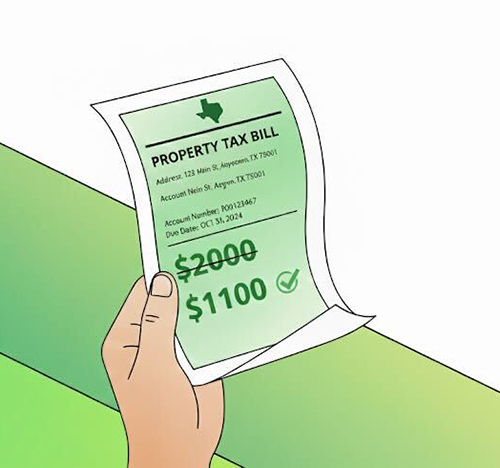
TaxDrop makes it easy to never pay more than you should by securing all exemptions and protesting high assessments annually. Book a call now to see if you're overpaying and how to get it back.