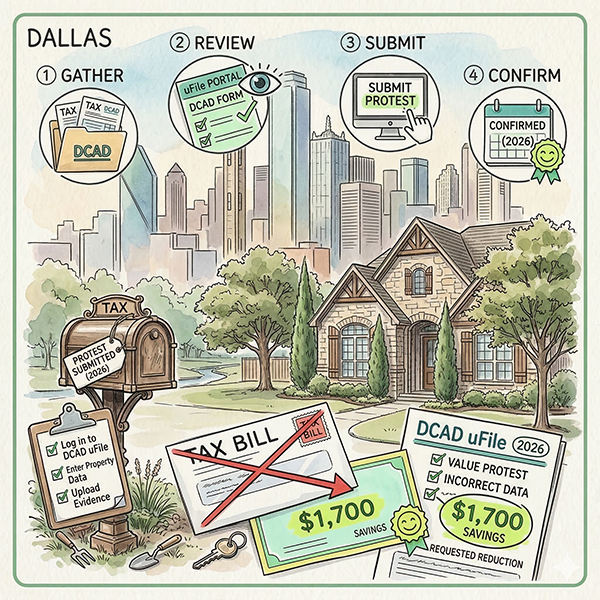
Signs Your Property Assessment Might Be Too High
Property tax assessments are based on data and valuation models, which means they may not always perfectly reflect every property. Understanding the signs of a potentially high assessment can help homeowners stay informed and better interpret their property tax notices.
Key Takeaways:
- Property tax assessments are based on valuation models.
- Large increases in assessed value may deserve review.
- Comparable homes can provide useful valuation context.
- Property record errors can affect assessments.
- Home condition may influence property value estimates.
- Neighborhood trends impact property tax values.
- Assessments rely on public property data.
- Mass appraisal systems evaluate many homes at once.
- Awareness helps homeowners understand assessments.
-
- Reviewing notices helps homeowners stay informed.
Signs Your Property Assessment Might Be Too High
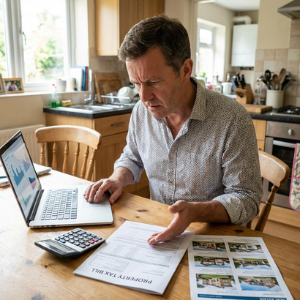
Receiving your property tax assessment can sometimes raise questions, especially if the value appears higher than expected. Many homeowners assume the number listed on their assessment notice is automatically accurate, but assessments are based on valuation models and public data that may not always reflect every detail of an individual home.
Understanding the signs of a potentially high property assessment can help homeowners better interpret their property tax notice and stay informed about how their home is valued.
Here are several indicators that your property assessment might deserve a closer look.
1. Your Assessed Value Increased Significantly
One of the most noticeable signs is a large year-over-year increase in your assessed value. While property values can rise due to market conditions, sudden or unusually large increases may warrant a closer review.
Comparing your current assessment with previous years can help identify unusual jumps.
2. Comparable Homes Have Lower Assessments
Another common indicator is when nearby homes with similar characteristics have noticeably lower assessed values.
Homes that are similar in:
- size
- age
- layout
- location
should typically have relatively similar assessments. Large differences can sometimes indicate inconsistencies in valuation.
3. Property Records Contain Errors
Property assessments rely heavily on public records. If the data associated with your property is incorrect, it may influence how the home is valued.
Common errors include:
- incorrect square footage
- extra features listed by mistake
- inaccurate lot size
- incorrect property classification
Even small inaccuracies can affect assessment calculations.
4. Your Home Has Condition Issues
Mass appraisal systems often assume homes are in average condition. However, real-world properties may have issues that aren’t reflected in automated valuation models.
Examples may include:
- aging roofs
- foundation concerns
- outdated interiors
- drainage problems
If these conditions aren’t accounted for, the assessed value may appear higher than expected.
5. Your Home Was Recently Purchased for Less
If you recently bought your home for significantly less than the assessed value, it may raise questions about how the property was valued for tax purposes.
Market transactions sometimes provide useful context when reviewing assessments.
6. Your Property Value Doesn’t Match Neighborhood Trends
Neighborhood changes can influence property assessments, but the relationship isn’t always perfectly aligned. If your assessment appears much higher than general neighborhood trends, it may be helpful to review the valuation more closely.
Observing local housing activity can provide helpful perspective.
Why Assessments Can Sometimes Be High
Property assessments are typically generated using large-scale valuation systems. These systems rely on data sets that include comparable sales, neighborhood patterns, and property records.
Because the process evaluates thousands of properties at once, individual homes may occasionally receive valuations that don’t fully capture their unique characteristics.
This doesn’t necessarily mean an assessment is incorrect, but it explains why differences can occur.
Why Reviewing Your Assessment Matters
Many homeowners only look at their property taxes once a year. Taking a moment to review the assessment notice and understand how the value was determined can provide helpful insight.
Even simple awareness can help homeowners better understand:
- how their property is valued
- how values change over time
- what factors influence assessments
Knowledge helps make property taxes feel less confusing.
A Thoughtful Approach to Property Assessments
Property tax assessments are designed to estimate home values across entire communities. While they aim for consistency, the system relies on data and models that may not perfectly capture every property detail.
Recognizing the signs that an assessment might be high helps homeowners stay informed and better understand one of the most important numbers tied to homeownership.
Sometimes, simply knowing what to look for can make all the difference.
Paying Too Much in Property Taxes?
Let our licensed property tax experts assess your tax bill for potential savings. Over 80% of protests get a reduction of more than $1,000 and it takes less than 3 minutes to enroll.
⏰
🏠
💵
FAQs
What does it mean if my property assessment is too high?
It means the assessed value used for property tax purposes may be higher than the property’s realistic market value.
Why do property assessments sometimes seem inaccurate?
Assessments rely on mass appraisal models and public data, which may not capture every detail of an individual property.
How can I tell if my property is overassessed?
Signs may include unusually large value increases, discrepancies with nearby homes, or inaccurate property records.
Do property records affect property assessments?
Yes. Details such as square footage, property features, and lot size influence how a home is valued.
Should homeowners review their property assessments?
Reviewing assessments can help homeowners understand how their property value is determined and how it changes over time.

Ryder Meehan
Ryder Meehan is the Co-Founder of TaxDrop and a Licensed Property Tax Protest Consultant