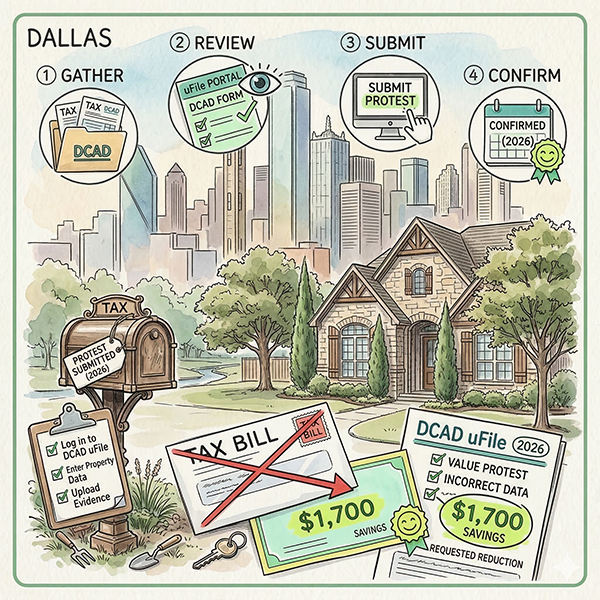
Why Property Tax Protests Are Increasing Across Texas
Property tax protests are increasing across Texas due to rising home values, improved access to property data, and growing homeowner awareness. Understanding the reasons behind this trend helps homeowners better navigate property tax assessments.

Key Takeaways:
- Property tax protests are increasing across Texas.
- Rapid home value growth is a major factor.
- More homeowners are reviewing property assessments.
- Online property data improves transparency.
- Housing market changes influence valuations.
- Property taxes rise as home values increase.
- New homeowners are learning about the protest process.
- Technology has made property records easier to access.
- Awareness encourages homeowners to review assessments.
- Property tax protests are a normal part of the system.
Why Property Tax Protests Are Increasing Across Texas
In recent years, more Texas homeowners have started challenging their property tax assessments. Across the state, property tax protests have become increasingly common, especially in fast-growing cities and suburban communities.
While protesting property taxes isn’t new, the number of homeowners reviewing and questioning their assessments has grown significantly. Understanding why this trend is happening can help homeowners make sense of the broader changes in Texas property taxes.
Several factors are contributing to the rise in property tax protests across the state.
Rapid Growth in Home Values
One of the biggest drivers of increased protests is the rapid growth of home values in many Texas markets.
Cities such as Austin, Dallas, Houston, and San Antonio have experienced strong population growth and housing demand. As a result, property values have risen quickly in many neighborhoods.
When appraisal districts adjust property values to reflect these market trends, some homeowners may see noticeable increases in their assessments. This often leads homeowners to take a closer look at how their property was valued.
Greater Awareness Among Homeowners
Another reason protests are increasing is simply greater awareness.
Over the past decade, homeowners have become more informed about how property tax systems work. Educational resources, online tools, and local discussions have helped many homeowners understand that reviewing assessments is a normal part of the process.
Instead of automatically accepting their property value, more homeowners now choose to review the details and understand how the number was determined.
Improved Access to Information
Technology has made property data easier to access than ever before.
Many appraisal districts now provide online portals where homeowners can:
- View their property record
- Compare nearby properties
- See historical value changes
This transparency allows homeowners to better understand their assessments and notice potential inconsistencies.
When information becomes easier to access, people naturally become more engaged with it.
Fast-Changing Housing Markets
Texas housing markets have experienced periods of rapid change. In some neighborhoods, property values can shift significantly within a short period of time.
Because appraisal systems rely on data collected over time, there can sometimes be timing differences between market activity and assessment updates.
These timing gaps can lead homeowners to review their valuations more carefully.
Larger Financial Impact
As property values rise, property taxes can become a more significant portion of a homeowner’s annual expenses.
When tax bills increase alongside rising home values, homeowners naturally pay closer attention to how those numbers are determined.
Even modest percentage changes can translate into noticeable financial differences, which encourages homeowners to review their assessments.
Growing Population of New Homeowners
Texas continues to attract new residents and first-time homeowners. Many of these new homeowners are learning about property taxes for the first time.
When they receive their first appraisal notice, they may explore how the system works and what their options are.
This growing homeowner population contributes to the increase in property tax protests across the state.
Understanding the Role of Property Tax Protests
Property tax protests are not unusual or negative events within the system. In fact, they are an intended part of the property tax process.
The protest system exists to help maintain fairness and transparency by allowing property owners to review how their homes are valued.
When more homeowners participate in reviewing assessments, it can help strengthen the overall balance of the system.
Why the Trend May Continue
Looking ahead, several trends suggest that property tax protests may continue increasing in Texas:
- Continued population growth
- Expanding housing markets
- Greater access to property data
- Increased homeowner awareness
As more people understand how property tax systems operate, reviewing assessments may become a routine part of homeownership.
A More Informed Approach to Property Taxes
Property taxes are a long-term part of homeownership in Texas. As markets evolve and property values change, staying informed helps homeowners better understand how their property is assessed.
The growing number of property tax protests reflects a broader shift toward awareness and engagement. Instead of viewing property taxes as a fixed cost, more homeowners are simply taking the time to understand how the system works.
And sometimes, understanding the process is the most valuable step of all.
Paying Too Much in Property Taxes?
Let our licensed property tax experts assess your tax bill for potential savings. Over 80% of protests get a reduction of more than $1,000 and it takes less than 3 minutes to enroll.
⏰
🏠
💵
FAQs
Why are property tax protests increasing in Texas?
Rising home values, increased homeowner awareness, and improved access to property data have contributed to more protests.
Are property tax protests common in Texas?
Yes. Property tax protests are a regular part of the system designed to ensure property values remain fair and accurate.
Do rising home values affect property taxes?
Higher home values can influence property tax assessments, which may increase tax bills over time.
Can homeowners review their property assessments?
Yes. Many appraisal districts provide online access to property records and valuation information.
Why are more homeowners paying attention to property taxes?
As property values and tax bills increase, homeowners are becoming more interested in understanding how assessments work.

Ryder Meehan
Ryder Meehan is the Co-Founder of TaxDrop and a Licensed Property Tax Protest Consultant