
10 Best Texas Cities to Buy Rental Property in 2027 (+3 to Avoid)
Ten Texas rental markets to investigate for 2027, three strategies to approach cautiously, and the cash-flow and property-tax checks that matter before you buy.

Key Takeaways:
- Fort Worth, Mesquite, Garland, and Arlington lead the search shortlist.
- Every purchase should work without rent growth, appreciation, or refinancing.
- A hypothetical $250,000 house at $2,100 rent loses about $330 monthly under the stated assumptions.
- Verify parcel taxes, insurance, condition, rental comps, and county coverage.
A growing city does not guarantee a profitable rental. A $250,000 Texas house renting for $2,100 a month can still lose about $330 each month after financing, taxes, insurance, management, and reserves. The purchase has to work at the property level.
For 2027, my starting shortlist is Fort Worth, Mesquite, Garland, Arlington, San Antonio, Houston, El Paso, Grand Prairie, Waco, and Conroe. Below, I explain what I would investigate in each market—and the strategies I would approach cautiously in Austin, Galveston, and Sherman.
By Ryder Meehan, founder of TaxDrop and a Texas real estate investor since 2012. Market research cutoff: October 20, 2026. This is an editorial search shortlist, emphasizing counties TaxDrop serves, rather than a forecast of the highest statewide returns.
Jump to a city: Conroe · Waco · Grand Prairie · El Paso · Houston · San Antonio · Arlington · Garland · Mesquite · Fort Worth · Austin · Galveston · Sherman
How to use this 2027 rental-property shortlist
This guide focuses on long-term rentals: single-family houses, legal duplexes, and small multifamily properties worth holding for years. The rule behind every selection is the same: the investment should work without rising rents, appreciation, or a future refinance.
The Texas A&M Real Estate Research Center outlook through summer 2027 forecasts flat single-family rents. That statewide forecast is a reason to scrutinize your purchase price and expenses; it does not predict what any individual property will earn.
County labels below identify the portions emphasized in this guide. City limits and mailing addresses can cross county lines. Confirm the parcel’s appraisal district and TaxDrop service coverage for the actual address.
10. Conroe
Target county: Montgomery
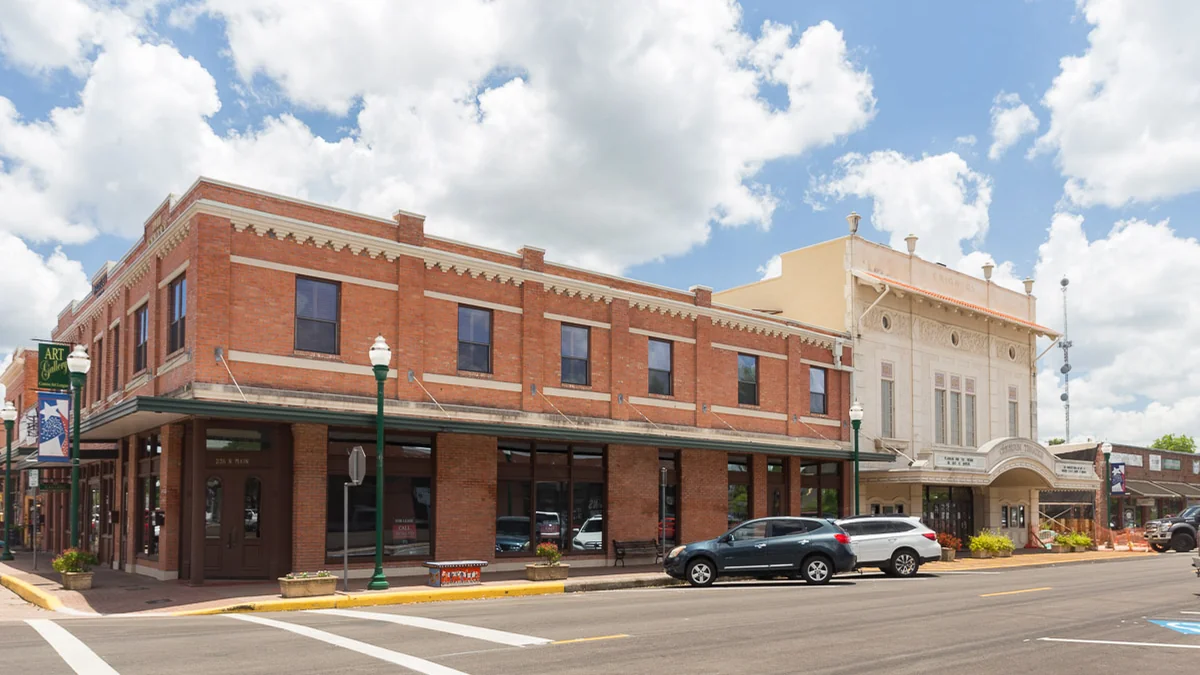
Conroe makes the list because it has an existing employment base worth investigating. Industrial equipment, packaging, distribution, medical-related products, and energy services all have a presence here. For a landlord, the question is whether a particular house serves people who already work in the area.
Can they get to work conveniently? What else could they rent for the same money? How long are comparable homes sitting empty? Those questions matter because Conroe’s broad asking-rent snapshot was down year over year, even while its sale median was higher. I’d focus on an existing home with demonstrated rental demand, then compare it against nearby new rentals—including any free rent or other concessions.
Check the complete tax bill, too. Two houses with similar prices can have very different ownership costs depending on their taxing districts. Conroe could produce opportunities in 2027 if you negotiate a purchase that works with current rents. I would be selective here.
Research context: Zillow asking-rent trends. Broad asking-rent summaries are not matched lease comps; see the research dates and methodology below.
For local appraisal guidance, see TaxDrop’s Montgomery County property-tax protests. Check service availability for the property’s address.
9. Waco
Target county: McLennan

Waco gives you several established reasons for people to live and work there. Baylor University, local hospitals, and Texas State Technical College are among the area’s major employers. That gives an investor identifiable sources of potential tenant demand.
The city’s median sale price was approximately $275,000 in the three months ending September 2026. That helps explain its accessibility compared with more expensive Texas markets. But I would underwrite the tenant strategy carefully. A conventional annual rental and a student rental are different businesses.
With student housing, you need to think about the academic calendar, turnover, parking, and what happens when a room stays empty. For an ordinary long-term rental, I’d want a local property manager to show me closely matched rental evidence. Waco earns a place on the list because of its institutions and purchase accessibility. I’d pass on a property priced around optimistic tourism revenue or a renovation premium that local tenants haven’t demonstrated they’ll pay.
Research context: Zillow asking-rent trends. Broad asking-rent summaries are not matched lease comps; see the research dates and methodology below.
For local appraisal guidance, see TaxDrop’s McLennan County property-tax protests. Check service availability for the property’s address.
8. Grand Prairie
Target county: Dallas / Tarrant
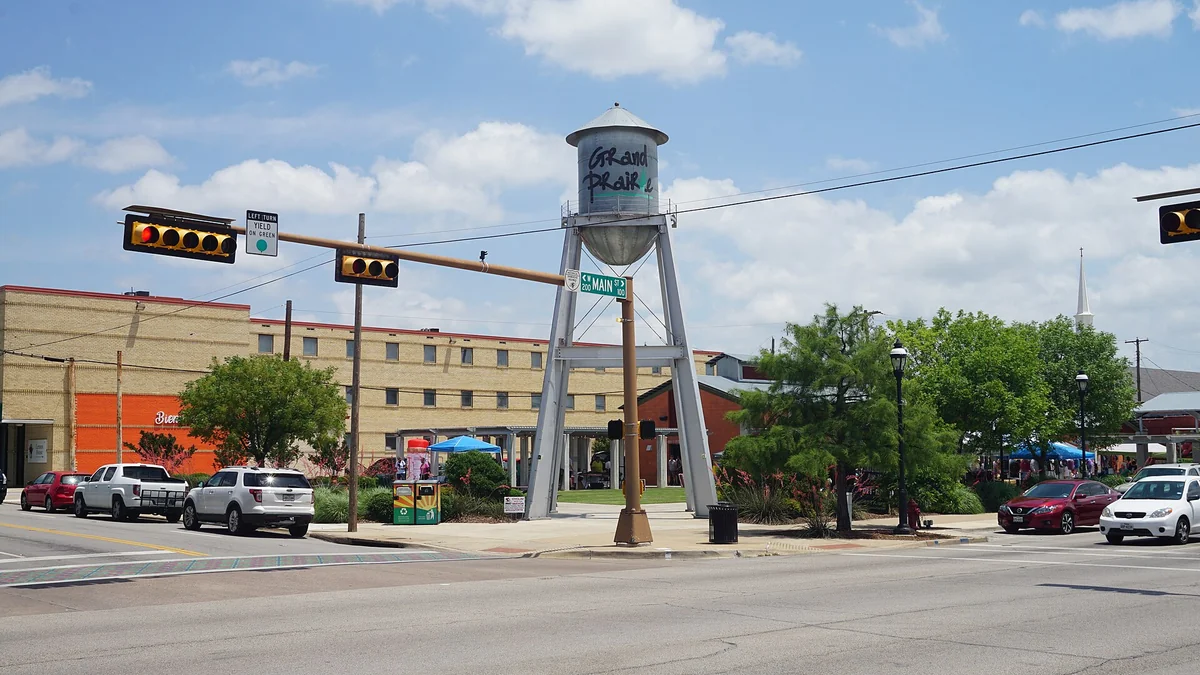
Grand Prairie’s appeal starts with its location and established employment connections. You have an aerospace background, logistics activity, and access to the wider Dallas–Fort Worth labor market. For a rental investor, that creates several possible tenant sources.
Its broad asking-rent snapshot was positive year over year in our October 2026 research. But purchase prices were also higher than several other cities on our list. That means you still need to find the right property. I’d investigate modest existing houses with practical commuting access, functional layouts, and manageable maintenance.
A larger house might command more rent, but it also brings more roof, more flooring, more air conditioning, and potentially a higher tax bill. Compare the additional income with the additional cost. And check the county. Our Pro focus here is on Dallas and Tarrant County properties. The city name alone doesn’t confirm coverage.
Research context: Zillow asking-rent trends. Broad asking-rent summaries are not matched lease comps; see the research dates and methodology below.
For local appraisal guidance, see TaxDrop’s Dallas County property-tax protests or Tarrant County property-tax protests. Check service availability for the property’s address.
7. El Paso
Target county: El Paso

El Paso deserves a closer look because its purchase costs are lower than many Texas alternatives, and it has its own economic demand drivers. The Dallas Fed reported employment growth in the second quarter of 2026, alongside stronger cross-border trade values. That supports a reason to investigate the market.
But increased trade dollars do not automatically translate into more local renters or higher rents. I’d want a local manager to review the exact property, the competing rentals, and a realistic leasing timeline. One thing to watch: El Paso’s city sale median rose while its broad asking-rent snapshot was nearly flat.
If you pay more for the property while the income barely changes, your return can get squeezed. For 2027, I’d look for an El Paso County property that works at a rent supported by comparable homes today. I’d also stress-test the budget for slower employment or trade activity. The affordability is useful. The income still needs to support the purchase.
Research context: Zillow asking-rent trends. Broad asking-rent summaries are not matched lease comps; see the research dates and methodology below.
For local appraisal guidance, see TaxDrop’s El Paso County property-tax protests. Check service availability for the property’s address.
6. Houston
Target county: Harris

Houston gives a small investor a large range of properties and employment centers to investigate. Energy, shipping, trade, and health care all matter to the region. That breadth creates options, particularly when individual sellers are willing to negotiate.
But recent employment growth has been modest. I would be careful about paying a price that assumes a major rental boom. My Houston search would focus on properties with demonstrated demand and a fully understood operating budget. And I would investigate insurance and water history early.
Get landlord insurance quotes before your inspection period expires. Evaluate flood coverage and any applicable wind coverage. Understand the deductibles. Check previous flooding, drainage, repairs, and claims history where available. Being outside a mapped flood zone does not make a home flood-proof. Texas insurance regulators point out that many homes flooded by Hurricane Harvey were outside designated flood zones.
Houston can offer a workable purchase opportunity when the price compensates you for the actual costs and risks. I would walk away if the property’s history cannot be explained or adequate insurance wipes out the projected margin.
Research context: Zillow asking-rent trends. Broad asking-rent summaries are not matched lease comps; see the research dates and methodology below.
For local appraisal guidance, see TaxDrop’s Harris County property-tax protests. Check service availability for the property’s address.
Run the numbers: why $2,100 rent can still lose money
The following illustration is hypothetical, not an available listing. Both purchases assume 25% down, a 7% fixed interest rate, and a 30-year amortization.
| Monthly budget | $250K purchase | $200K purchase |
|---|---|---|
| Purchase price | $250,000 | $200,000 |
| Down payment | $62,500 | $50,000 |
| Monthly rent | $2,100 | $2,100 |
| Vacancy (5%) | −$105 | −$105 |
| Management (8%) | −$168 | −$168 |
| Routine repairs (5%) | −$105 | −$105 |
| Replacement reserves (5%) | −$105 | −$105 |
| Property taxes (assumed) | −$500 | −$400 |
| Insurance (assumed) | −$200 | −$200 |
| Principal and interest (rounded) | −$1,247 | −$998 |
| Monthly cash flow (rounded) | −$330 | +$19 |
Taxes assume 2.4% of purchase price annually purely for illustration. That is not a city tax rate, and assessed value does not automatically equal purchase price. Insurance is a placeholder, not a quote. HOA dues, separate leasing fees, renovation, utilities, and additional flood premiums are excluded and must be added when applicable.
Even the cheaper purchase leaves almost no cushion. Include closing costs, rehabilitation, and initial reserves when measuring your return on total cash committed. Never make the acquisition depend on winning a property-tax protest. Build a workable budget first; a justified assessment reduction can improve it afterward.
5. San Antonio
Target county: Bexar

San Antonio makes the list because of purchase accessibility and the size of its housing market. Its city sale median was about $257,000 in the three months ending September 2026—one of the lowest among our selections. Longer selling times can also give a patient buyer room to negotiate.
But the employment and rental evidence calls for discipline. The Dallas Fed reported that metro employment was slightly down year to date through August, and apartment rents were below the previous year. I’d look for an existing Bexar County property that competes well at a realistic rent.
Compare it with new construction, builder incentives, and rental concessions. A temporary mortgage-rate incentive might make a new house look attractive while leaving you with a high purchase price and an expensive long-term operating budget. Check the HOA and every applicable tax district.
Budget for leasing time, too. Zillow’s three-bedroom-house snapshot showed approximately 65 rental days on market. For 2027, the opportunity is a purchase price that reflects those conditions. I wouldn’t assume a quick rebound will repair a weak deal.
Research context: Zillow asking-rent trends. Broad asking-rent summaries are not matched lease comps; see the research dates and methodology below.
For local appraisal guidance, see TaxDrop’s Bexar County property-tax protests. Check service availability for the property’s address.
4. Arlington
Target county: Tarrant

Arlington has several established sources of potential rental demand. There’s the University of Texas at Arlington, manufacturing, health care, and access to employment across DFW. I would investigate modest houses and legal small multifamily properties that work with conventional annual leases.
The entertainment district can be appealing, but be careful about paying for event-driven income. The 2026 World Cup is not recurring revenue for a property you buy in 2027. If a seller presents short-term-rental projections, verify the lawful use, actual operating results, and full expenses separately.
For an ordinary rental, I’d focus on the commute, property condition, insurance, and comparable leases. Arlington ranks well because you can investigate several existing tenant sources. You should be able to explain who would rent the property and why they would choose it over the alternatives.
Research context: Zillow asking-rent trends. Broad asking-rent summaries are not matched lease comps; see the research dates and methodology below.
For local appraisal guidance, see TaxDrop’s Tarrant County property-tax protests. Check service availability for the property’s address.
3. Garland
Target county: Dallas

Garland has an established employment base across manufacturing, food production, logistics, retail, and technology. That gives a landlord concrete local activity to study. I would focus on existing Dallas County properties with functional layouts, useful parking, and practical access to employment.
But Garland’s broad asking-rent snapshot was down year over year, so I’d be conservative about income. If your plan includes renovating, verify what tenants will actually pay for the finished product. New countertops might help a property compete. They don’t guarantee a large rent increase.
And separate cosmetic work from major systems. Foundation repairs, sewer problems, drainage, roofing, and HVAC can change your purchase budget substantially. Garland is high on the list because established employment and existing housing create a sensible place to search.
The purchase needs to work with supported rent and a maintenance budget appropriate for the age and condition of the house.
Research context: Zillow asking-rent trends. Broad asking-rent summaries are not matched lease comps; see the research dates and methodology below.
For local appraisal guidance, see TaxDrop’s Dallas County property-tax protests. Check service availability for the property’s address.
2. Mesquite
Target county: Dallas

Mesquite is near the top because acquisition cost matters so much to a small landlord. Its city sale median was approximately $280,000 in the three months ending September 2026, lower than the other large DFW cities on our list. Its broad asking-rent snapshot was also positive year over year.
Those are useful screening signals, although they cover different property samples. You cannot combine them and assume you’ve calculated the return on a typical house. There’s also an operating Canadian Solar factory, with an expansion plan described by the company. That is an additional employment factor to investigate. I would still require the property to work without assuming expansion creates a wave of new tenants.
I’d search for existing Dallas County homes, obtain at least three closely matched rental comps, and price the major repairs before committing. Mesquite’s case for 2027 is access to the established Dallas labor market at a lower acquisition cost than several nearby alternatives. The biggest trap is buying a cheap house that becomes expensive once you understand its condition.
Research context: Zillow asking-rent trends. Broad asking-rent summaries are not matched lease comps; see the research dates and methodology below.
For local appraisal guidance, see TaxDrop’s Dallas County property-tax protests. Check service availability for the property’s address.
1. Fort Worth
Target county: Tarrant
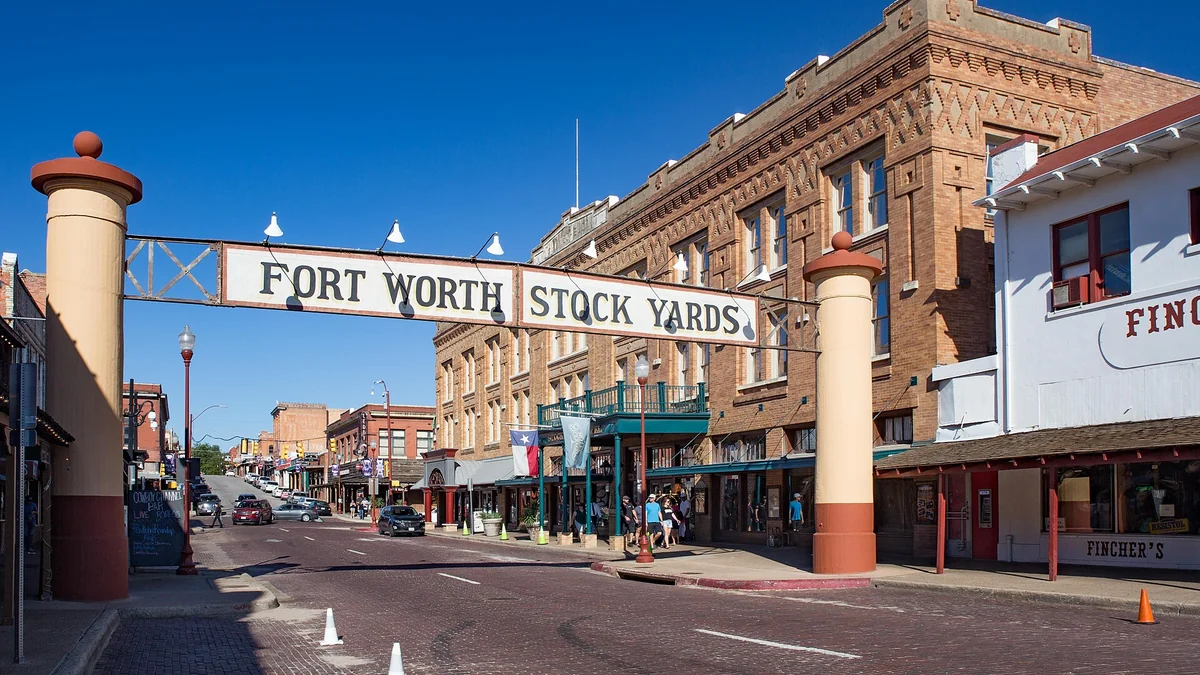
Fort Worth is my overall starting point because it combines a large existing housing market, several sources of employment, and continued population growth. Census estimates show the city added approximately 19,500 residents in the year ending July 2025. That was the second-largest numeric city population increase in the country.
Population growth is a useful demand signal. You still have to compare it with the supply of homes and rentals. For a small investor, Fort Worth gives you a large market to investigate and several potential tenant sources. I would start with modest existing properties in Tarrant County near established employment.
Then compare them with nearby new rentals. Check the actual commuting patterns, condition, insurance, drainage, and taxes. I’d be particularly careful about paying a premium for growth on the edge of the market when competing rentals are offering incentives. Fort Worth takes the number-one position because of the breadth of the search and its demand signals.
It still has to pass the same property-level expense test as every other city.
Research context: Zillow asking-rent trends. Broad asking-rent summaries are not matched lease comps; see the research dates and methodology below.
For local appraisal guidance, see TaxDrop’s Tarrant County property-tax protests. Check service availability for the property’s address.
Three cities where I would avoid the wrong strategy
These are cautions about a purchase strategy, not blanket claims that every property in these cities is a bad investment.
Austin

I would avoid an ordinary market-price long-term rental that needs appreciation or refinancing to produce an acceptable return. The city sale median was about $537,000 in our September sales snapshot, while the broad asking-rent snapshot was down year over year. A house can be substantially cheaper than it was at the peak and still be expensive relative to its income.
A verified below-market purchase, legal additional unit, or a different financing structure could change the calculation. For a small investor seeking current cash flow, though, I would want a very clear explanation of how the property earns its purchase price.
For local appraisal guidance, see TaxDrop’s Travis County property-tax protests. Check service availability for the property’s address.
Galveston

I would be especially cautious about making a first vacation-rental purchase based on advertised gross booking revenue. Gross bookings leave a lot of expenses unpaid. You need management, cleaning, maintenance, vacancy, insurance, storm deductibles, and replacement reserves in the budget.
Verify rental permissions and coverage for the actual use. Flood and wind are different insurance exposures. A policy covering one does not mean you are covered for the other. An experienced operator with verified results, suitable insurance, adequate reserves, and the right purchase price may find an opportunity.
A beginner comparing gross bookings with the mortgage payment has more work to do before buying.
For local appraisal guidance, see TaxDrop’s Galveston County property-tax protests. Check service availability for the property’s address.
Sherman

I would avoid paying today as though the full future semiconductor demand has already arrived. Texas Instruments says its first Sherman fab is producing, with the ramp following customer demand. That is a meaningful investment.
But the housing evidence is a reminder to stay disciplined. In our research, the city sale median was down almost ten percent year over year, selling time was about 92 days, and the broad asking-rent snapshot was also down. A major factory investment can coexist with a rental market that is still absorbing supply.
Construction workers and permanent operating employees can also have different housing needs. Before paying for future growth, I’d want evidence of actual leasing, achieved rents after concessions, and operating employment. At a sufficiently attractive price, an experienced local investor may see value. I would want the current income to support the investment while waiting for that longer-term story.
For local appraisal guidance, see TaxDrop’s Grayson County property-tax protests. Check service availability for the property’s address.
The 2027 property-tax detail landlords should check

As checked on October 27, 2026, the Texas Comptroller’s valuation guidance says the temporary appraisal-growth limitation for eligible non-homestead real property expires December 31, 2026. The limitation concerns appraised value, not a cap on the total tax bill, and eligibility restrictions apply. Check current law before relying on it for a 2027 purchase.
Do not assume a seller’s Texas homestead exemption applies to an investment rental. Estimate taxes for your ownership circumstances using the parcel’s school, city, county, and special taxing districts. Then review whether the appraisal is supported by market evidence.
If your assessment is too high, a properly supported protest may reduce the expense. Our Texas landlord property-tax protest guide explains how to prepare and review the evidence. TaxDrop helps property owners in the counties we serve. A successful protest may improve rental returns, but your acquisition budget should work before assuming a reduction.
Before you buy: a rental-property checklist
- Identify the likely tenant and verify at least three closely matched rental comps.
- Use effective rent after concessions and budget realistic leasing time.
- Confirm the legal unit count, rental rules, and HOA restrictions.
- Price foundation, drainage, roof, sewer, and HVAC work before committing.
- Get landlord, flood, and wind coverage quotes as applicable; understand deductibles.
- Estimate the complete tax bill under your ownership.
- Include management, vacancy, repairs, replacement reserves, and all cash invested.
- Stress-test lower rent, longer vacancy, and higher insurance costs.
For a closer look at ownership expenses, read our property-tax strategies for rental-property investors and our explanation of when a rental-property tax appeal may be worthwhile.
Already own a Texas rental?
My first searches would be Fort Worth, Mesquite, Garland, and Arlington. The other six cities offer different combinations of purchase accessibility, employment demand, and operating risk. For every property, ask who will rent it, what comparable tenants actually pay, and what remains after the full cost of ownership.
Check your address at TaxDrop.com to see which service is available and whether your property-tax assessment may deserve a review.
Research dates and sources
The ranking reflects editorial judgment based on research assembled October 20, 2026. City sale medians mentioned here describe all home types in the three months ending September 2026; asking-rent snapshots were collected in October 2026 and use different property samples. They cannot be combined to calculate a typical investment yield. Current linked pages may have changed since those snapshots. Forecasts are uncertain, and this guide does not establish that profitable properties are currently available.
- TaxDrop service coverage
- TaxDrop FAQ
- Texas A&M forecast
- Dallas Fed employment forecast
- Fort Worth
- Mesquite
- Garland
- Arlington
- San Antonio
- Houston
- El Paso
- Grand Prairie
- Waco
- Conroe
- Fort Worth rents
- Mesquite rents
- Garland rents
- Arlington rents
- San Antonio 3-bedroom houses
- Houston 3-bedroom properties
- El Paso rents
- Grand Prairie rents
- Waco rents
- Conroe rents
- Census release
- Tarrant economic base
- Canadian Solar release
- Garland employers
- Garland industries
- City consolidated plan
- Dallas Fed San Antonio
- Dallas Fed Houston region
- Houston indicators
- TDI insurance guide
- El Paso indicators
- City aviation background
- Fulfillment-center announcement
- Waco employer report
- Conroe employer list
- Austin sales
- Austin rents
- Galveston sales
- TDI windstorm questions
- TI operating-fab announcement
- Sherman sales
- Sherman rents
- New Braunfels sales
- New Braunfels rents
- Comptroller exemptions
- Comptroller valuation guidance
- Comptroller tax-rate guidance
Educational market research; individual investment results depend on the property, financing, expenses, and ownership circumstances.
Paying Too Much in Property Taxes?
Let our licensed property tax experts assess your tax bill for potential savings. 92% of Texas protests we closed in 2026 got a reduction. It takes less than 3 minutes to enroll.
⏰
🏠
💵
No Savings No Fee
FAQs
What is the best Texas city to start a rental-property search in 2027?
Fort Worth leads this editorial shortlist because of its market depth and existing demand signals. A city ranking does not establish that any particular property is profitable.
Are Austin, Galveston, and Sherman bad rental markets?
The caution concerns strategies: relying on appreciation in Austin, comparing gross vacation bookings with the mortgage in Galveston, or paying upfront for future semiconductor demand in Sherman.
Should I assume a property-tax protest will make a deal work?
No. Build the acquisition budget with a defensible ownership tax estimate. Treat a justified assessment reduction as potential upside.

Ryder Meehan
Ryder Meehan is the Co-Founder of TaxDrop and a Licensed Property Tax Protest Consultant