
⏰
🏠
💵
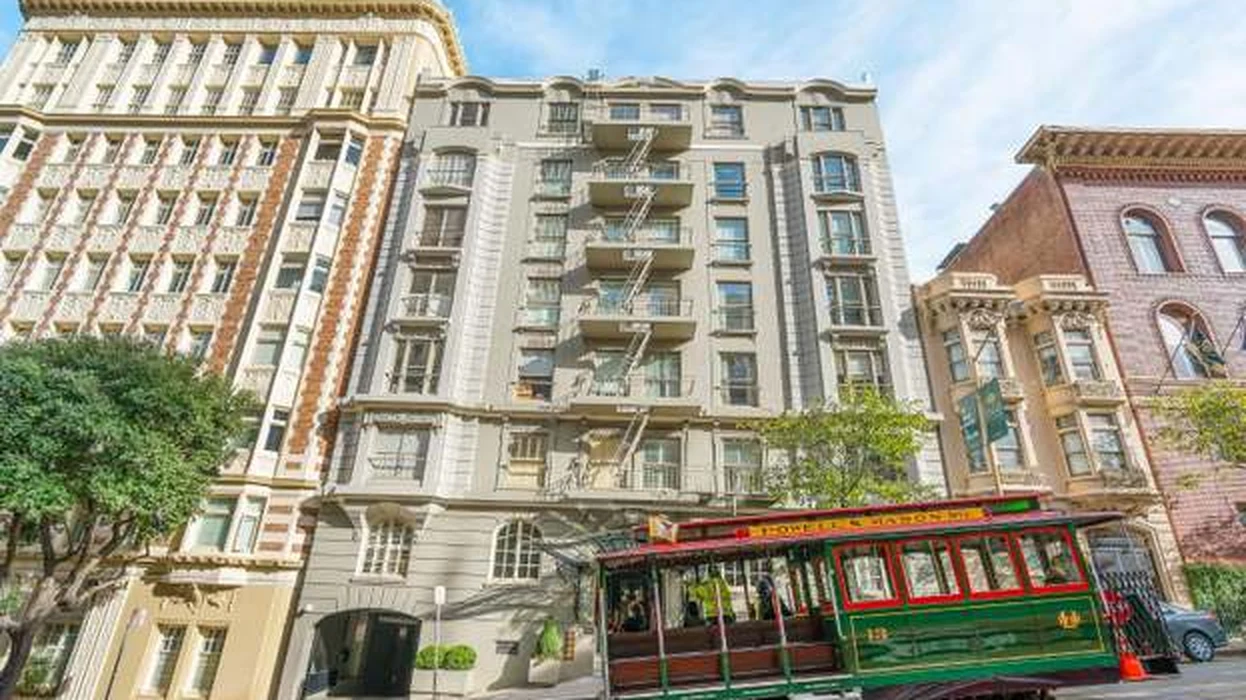
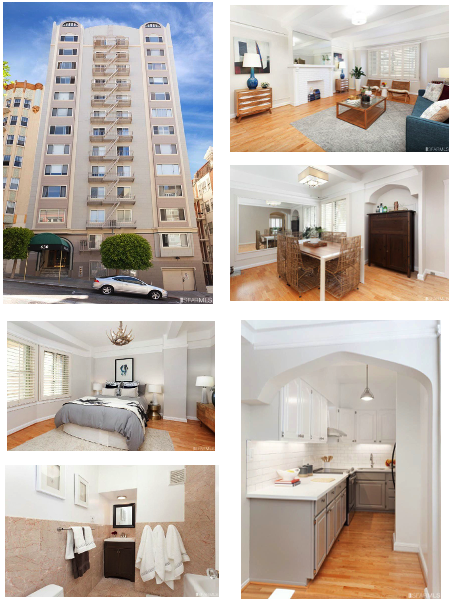
Sarah owns a one-bedroom, one-bathroom TIC unit in downtown San Francisco. Her unit sits on the second floor of a 39-unit building on Mason Street, built in 1927. At 908 square feet, it's a classic San Francisco stock cooperative — charming, well-maintained, and in an above-average condition neighborhood near Nob Hill.
She purchased the unit in December 2018 for $695,000.
For the January 1, 2024 lien date, the San Francisco Assessor's Office valued Sarah's property at $760,080 — that's $837 per square foot.
However, the market told a different story.
Comparable units in her own building and nearby had sold for significantly less. One unit six floors above hers in the same building sold for $730,000. A similar unit at 1201 California Street sold for $666,000. These weren't distressed sales — they were open market transactions from 2023.
Sarah's assessment didn't reflect what buyers were actually paying for units like hers. She was being taxed on a number that didn't match reality.
Key Insight: the valuation is as of January 1, so even though the market values increased by the tax assessment notice date, we protested based on values of Jan 1.
Sarah filed her Prop 8 appeal with the Assessment Appeals Board in September 2024. But once the hearing date was set for January 2026, she realized she had a problem.
The city didn't give her much to work with.
"I actually had no good guidance from the city apart from getting comps from a real estate agent and utilizing the city's own portal to make my own argument."
She knew her assessment was too high. She just didn't know how to prove it in a way that would hold up at a hearing against a professional assessor armed with their own market analysis.
Sarah used TaxDrop to get a professional-grade evidence report for her appeal. The report included:
The report gave Sarah something the city portal couldn't — a complete argument with the kind of qualitative context that moves a hearing in your favor.
At her January 22, 2026 hearing, Sarah presented TaxDrop's evidence alongside the assessor's own comparable sales presentation.
The board agreed. Sarah's assessment was reduced from $760,080 to $650,000.
That's a $110,080 reduction — roughly 15% — and translates to over $1,200 in annual tax savings refunded directly to her.