

Key Takeaways:
Yes, you can generally appeal a property tax assessment on an inherited home while it is in probate, provided the person filing has legal authority to act for the estate or qualifies under the local filing rules. Probate does not automatically pause the assessment deadline, so confirm who can sign, gather proof of authority, and challenge the property's value before the applicable deadline.
TL;DR
- Can you appeal property taxes on an inherited home in probate? Yes, with proper filing authority and supporting evidence.
- An inheritance does not itself prove an assessment is too high; property tax appeals need a valid valuation argument.
- Probate and assessment appeals follow separate deadlines. Check the notice before waiting for an estate distribution.
- TaxDrop offers Texas full-service representation and self-serve property tax appeal packets in its supported states.
Can you appeal property taxes on an inherited home in probate?
An open probate case does not automatically prevent an assessment appeal. The main questions are who has authority to file, which assessment is being challenged, and whether the filing meets the local deadline.
Probate is the court process for administering an estate. A property tax appeal asks the tax authority to review an assessment; it does not decide who inherits the home. For the wider inheritance questions surrounding that distinction, see the property tax appeals guide for inherited property owners.
Your role matters more than your family relationship. Being named in a will is not necessarily the same as being authorized to act for the estate.
Court-appointed executor or administrator
- Best for: Handling an assessment while the estate remains open
- What to establish before filing: Appointment documents and the local requirements for filing on the estate's behalf
- Main limitation: Appointment alone does not establish that the assessment is excessive
Beneficiary or heir
- Best for: Reviewing a property you expect to inherit
- What to establish before filing: Whether you already hold a qualifying ownership interest or need the estate representative to file
- Main limitation: An expected inheritance does not automatically authorize you to sign
Authorized representative
- Best for: Preparing or presenting a valuation challenge for an eligible filer
- What to establish before filing: Accepted authorization from the person entitled to act
- Main limitation: Representation does not replace proof of the estate's authority
Ask the filing office how to identify the estate and signer on the application. Do not assume the application belongs in your personal name simply because you expect to receive the house.
Why this matters
An estate can still own a home when its assessment notice arrives. If everyone waits for probate to finish, the ordinary assessment appeal window can close before the property is distributed.
For a 2026 assessment, start with the notice covering that assessment year. A probate filing, inheritance document, or family agreement is not a substitute for the tax authority's required appeal form.
Separate the tasks. Your estate representative addresses ownership and authority; your assessment evidence addresses whether the property's taxable value is correct. Keeping those questions apart makes the next step clearer.
How do you file while the estate is still open?
Check the notice
Locate the current assessment notice and identify the property, assessment year, issuing office, and filing instructions. Check the mailing address too: a notice sent to the deceased owner's address still needs attention.
For 2026, use the deadline attached to the relevant notice and assessment type. An annual assessment and a separate reassessment notice can involve different procedures. Ask the office which filing applies rather than submitting whichever form you find first.
Confirm authority
Determine who currently has authority to act for the estate. That person is often the court-appointed executor or administrator, sometimes called the personal representative.
Ask what supporting documents the filing office accepts. Letters testamentary or letters of administration are court documents showing an appointment; a death certificate establishes the death but does not, by itself, appoint someone to manage the estate.
If no representative has been appointed and the deadline is approaching, contact the filing office and the probate attorney promptly. Ask what a qualifying heir can submit and whether the office has a procedure for documenting authority. Do not sign as an appointed representative before the appointment exists.
Match the evidence
Gather evidence tied to the assessment's valuation date—the date on which the property's value is measured. The question is not what the family hopes to receive from a future sale. It is what the relevant assessment should reflect.
Useful records include:
- Closed sales of comparable homes, with sale dates and property details.
- Photographs documenting damage or deferred maintenance.
- Contractor estimates explaining necessary repairs.
- An appraisal that addresses the relevant valuation date.
- County property records showing incorrect size, condition, or features.
A probate appraisal can help if its date and purpose fit the assessment question. Do not treat every estate valuation as interchangeable with a property tax valuation.
File and retain proof
Submit the required application through the accepted filing channel. Keep the completed form, attachments, confirmation, and correspondence together.
Read the instructions about when evidence is due. Filing the application and submitting the full evidence package are not always the same event. Also confirm whether the representative must separately authorize an agent to attend a hearing.
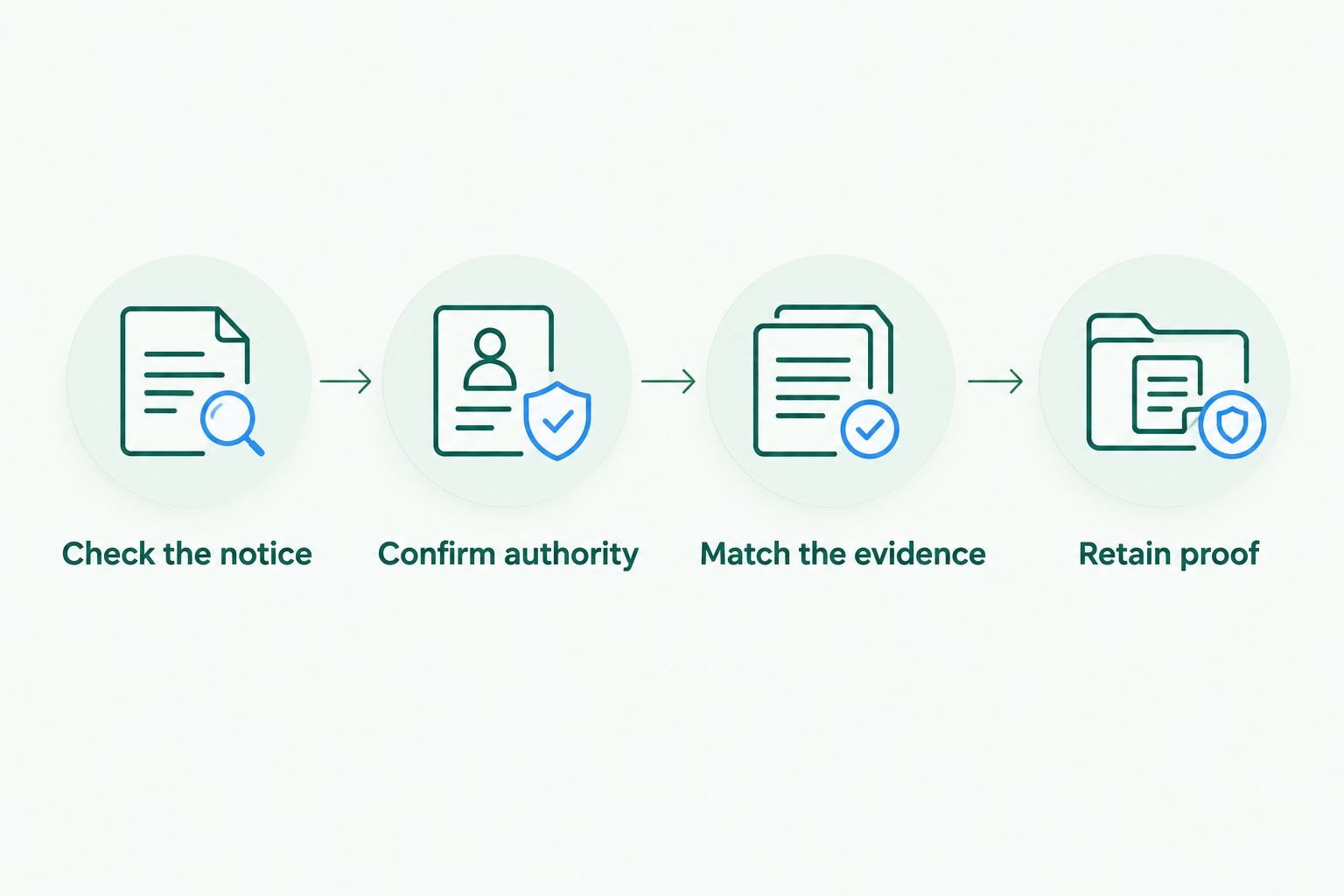
Confirm filing authority before submitting an application in the estate's name.
Keep a separate record of tax payment obligations. An assessment appeal is not permission to stop paying property taxes; follow the jurisdiction's payment rules while the challenge is pending.
Which deadline and office apply to your inherited home?
The property's location controls the assessment process, not where the heir lives. A beneficiary living in another state still needs to follow the rules where the home is located.
Use this 2026 overview to identify the right office. Then confirm the actual deadline on the notice and the office's current instructions.
Texas
- Correct process and office: Protest through the Appraisal District; the Appraisal Review Board hears disputes
- Deadline to check: Generally May 15 or 30 days after delivery of the notice, whichever is later
- Important estate consideration: Confirm who can act for the estate and sign any agent authorization
California
- Correct process and office: Appeal through the local assessment appeals board or county board of equalization; the Assessor's Office sets value
- Deadline to check: Varies by county and assessment type
- Important estate consideration: Separate an excessive valuation from inheritance-related reassessment or exclusion questions
Georgia
- Correct process and office: Appeal filed with the Board of Tax Assessors
- Deadline to check: Generally 45 days from the Annual Notice of Assessment
- Important estate consideration: Check the notice date and the representative's filing authority
Florida
- Correct process and office: Petition to the Value Adjustment Board; the Property Appraiser sets value
- Deadline to check: Generally 25 days after the TRIM notice is mailed
- Important estate consideration: Review the notice and the petition instructions together
New Jersey
- Correct process and office: Appeal to the County Board of Taxation; the municipal Assessor sets value
- Deadline to check: Generally April 1; January 15 in Burlington, Gloucester, and Monmouth
- Important estate consideration: Review the Chapter 123 ratio test before filing
Maryland
- Correct process and office: Appeal through SDAT and the Supervisor of Assessments
- Deadline to check: Generally 45 days from the reassessment notice; January 1 for the off-cycle petition route
- Important estate consideration: Identify whether you are challenging a reassessment or using the separate petition process
These are different systems. In Texas, use the word protest. In the other states listed, use appeal, or petition where the procedure calls for it.
New Jersey needs particular care. Chapter 123 compares the assessment-to-market-value ratio with the municipality's common level range. An assessment below that range can require an increase, so a lower market-value estimate alone does not establish that filing will help.
New Jersey valuation evidence should use comparable sales, not neighboring assessments. Unequal-assessment arguments available under Texas and Georgia law do not create the same appeal route in California, Florida, New Jersey, or Maryland.
Why the appeal process varies during probate
The home being inherited is only part of the picture. These factors determine what you need to resolve before filing:
- Filing authority: An appointed representative, an owner, and an expected beneficiary do not necessarily have the same signing rights.
- Assessment type: An annual valuation dispute is different from a notice triggered by a transfer or reassessment.
- Valuation date: Your evidence must address the date used for the assessment, not simply today's asking price.
- Property condition: Documented defects support a different valuation argument from a general claim that taxes feel high.
- Inheritance treatment: Exemptions and reassessment exclusions have eligibility rules separate from an excessive-value appeal.
- State procedure: The filing office, deadline, accepted evidence, and hearing requirements depend on the property's jurisdiction.
For your 2026 filing, label each document by purpose: authority, valuation, condition, or exemption. This keeps an estate document from being mistaken for proof that the assessment is wrong.
Can the executor appeal before the deed transfers to an heir?
An executor or administrator can generally act for the estate before distribution, subject to local assessment filing rules. The estate representative should confirm how the application identifies the owner and what appointment documents are required.
Waiting for a deed transfer is not automatically necessary. But filing authority and authority to hire a representative still need to be established; a provider cannot resolve that by changing the name on a form.
Does inheriting a home automatically lower its property taxes?
No. Inheritance alone does not establish that the assessed value should fall. A successful valuation challenge needs evidence that supports a different assessment under the applicable rules.
Also check the deceased owner's exemptions separately. An exemption is a tax benefit tied to eligibility, and an heir should not assume that the previous owner's benefits continue unchanged. California inheritance-related reassessment and exclusion questions deserve separate review rather than being treated as an ordinary valuation dispute.
Can a probate appraisal support the property tax appeal?
Yes, a probate appraisal can support an appeal when its valuation date, property details, and purpose fit the tax assessment being challenged. Review the report before attaching it.
An appraisal prepared for an estate can address a different date from the tax assessment. Explain that difference and seek evidence for the assessment date. A report showing the right house but the wrong valuation period needs more context.
Where TaxDrop property tax appeal services fit
TaxDrop is best for homeowners and landlords seeking property tax appeal support in its covered areas. The service addresses the assessment challenge; it does not replace legal advice about probate authority or inheritance rights.
TaxDrop offers full-service representation in 17 Texas counties. TaxDrop One provides self-serve appeal packets in 43 Texas counties, 6 California counties, 4 Georgia counties, and statewide in Florida, New Jersey, and Maryland.
Full-service, Texas only
- Best for: Eligible owners or estate representatives seeking consultant-led handling
- Benefit: Licensed-consultant-led assessment representation
- Limitation: Coverage is limited to supported Texas counties; estate authority still needs confirmation
Self-serve appeal packet
- Best for: Eligible filers prepared to manage their own submission
- Benefit: A packet for preparing the assessment challenge
- Limitation: You remain responsible for filing, deadlines, and the local hearing requirements
Choose support only after confirming the estate's authorized signer and the property's coverage. An appeal service can help with valuation evidence, but it cannot turn an unauthorized heir into the estate's representative.
FAQ
Can I appeal property taxes if the house is still in my deceased parent's name?
Yes, an appeal can generally proceed while the property remains in the deceased owner's name, provided the filer has accepted authority to act. Confirm whether the office requires the estate representative's appointment documents and how the estate should be named.
Do I have to finish probate before appealing the assessment?
No, probate generally does not have to finish before an authorized person challenges the assessment. Confirm filing eligibility promptly because an open probate case does not automatically extend the assessment deadline.
Can I sign the appeal if I am named as an heir in the will?
Being named as an heir does not automatically authorize you to sign for the estate. Ask the filing office whether your ownership interest qualifies or whether the appointed personal representative must file.
Will a death certificate be enough to file for the estate?
A death certificate alone does not establish appointment as the estate's representative. Ask which court appointment or ownership documents the assessment office requires.
Can I use the probate appraisal as evidence?
Yes, a probate appraisal can help when its date and valuation purpose fit the assessment being challenged. Explain any difference between the appraisal date and the assessment's valuation date.
Should the estate stop paying property taxes during the appeal?
No, an appeal is not permission to stop paying property taxes. Follow local payment requirements and have the estate representative track the bill separately from the appeal.
Can a New Jersey inherited-home appeal increase the assessment?
Yes, a New Jersey appeal can increase the assessment under the Chapter 123 ratio test. Review the common level range and comparable sales before deciding to file.
Does an inherited home keep the deceased owner's tax exemptions?
Do not assume the deceased owner's exemptions continue unchanged. Check eligibility and reporting requirements with the relevant assessing office, separately from the valuation appeal.
One last thing
The strongest estate paperwork and the strongest valuation evidence solve different problems. Court appointment documents establish who can act. Comparable sales and condition records support what the home was worth.
For a 2026 assessment, put the notice, proof of authority, and valuation evidence in one file before choosing an appeal route. Start with the notice—not the date you expect probate to end.
Check your assessment
Confirm your property's coverage and the support that fits your assessment challenge.
Related guides
Paying Too Much in Property Taxes?
Let our licensed property tax experts assess your tax bill for potential savings. Over 80% of protests get a reduction of more than $1,000 and it takes less than 3 minutes to enroll.
⏰
🏠
💵
No Savings No Fee