

TaxDrop currently serves Texas only. We're not taking Orange County appeals yet. Join the waitlist and we'll let you know when we launch in California.
✔ Free county guide - how a Orange County appeal works
✔ Join the waitlist - no payment and no filing. We'll just tell you when TaxDrop opens here.
🏠
TaxDrop currently serves Texas only. We're not taking Orange County appeals yet. Join the waitlist and we'll let you know when we launch in California.
✔ Free county guide - how a Orange County appeal works
✔ Join the waitlist - no payment and no filing. We'll just tell you when TaxDrop opens here.
TaxDrop currently serves Texas only. Join the waitlist and we'll email you when we launch here.
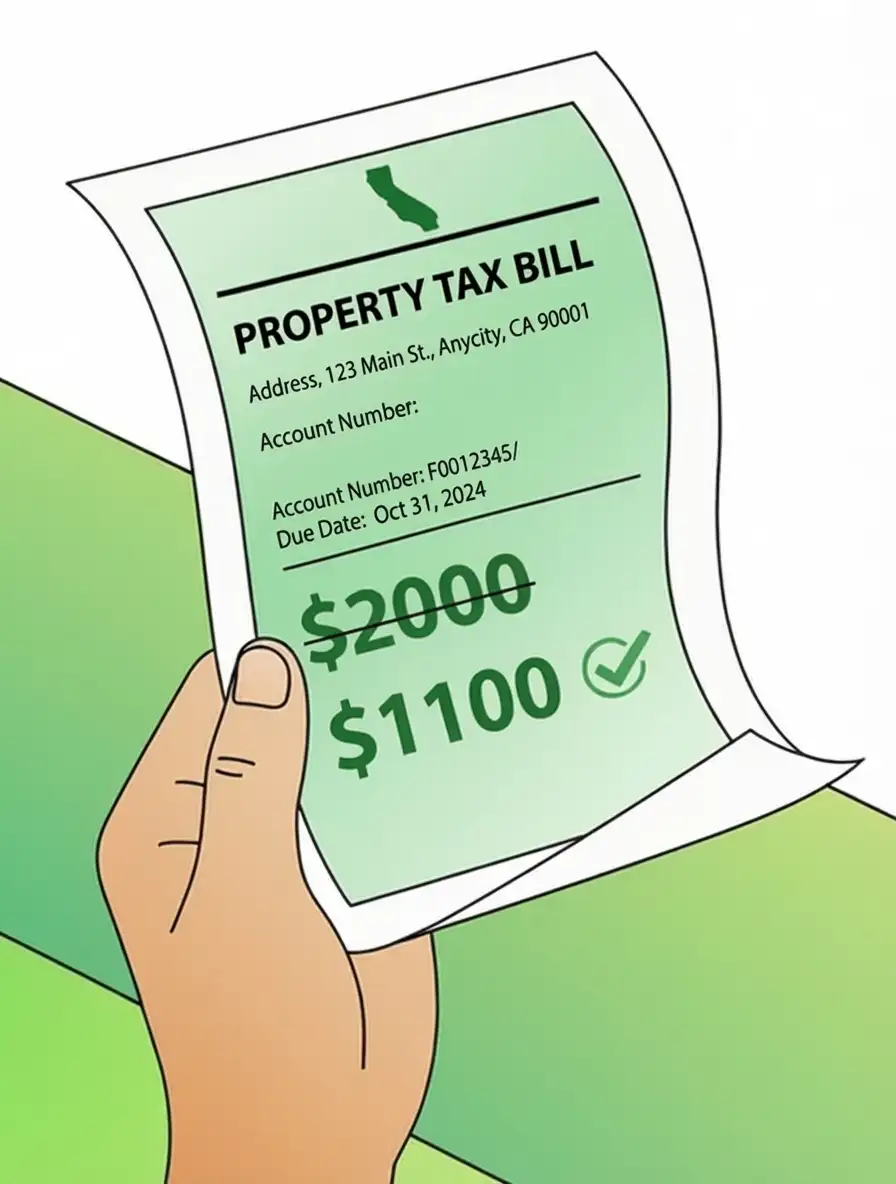







An assessment in Orange County, California, may not tell the whole story about your property. Its condition, location, and comparable sales can all affect the case for a different value. Reviewing your assessment is a useful first step when the number does not seem to fit your home.
A Orange County property tax appeal is a formal challenge to an assessment, with filing rules and evidence requirements specific to California. Review your notice, confirm the applicable valuation date, and check the official local instructions before filing. The guide below brings together the county’s filing details, process, and resources so you can understand what preparation is involved.
TaxDrop is not yet accepting property tax appeals in Orange County, California. You can use this free county guide to understand the local process and join the waitlist for updates when service becomes available. Joining the waitlist does not file an appeal or enroll you in a paid service.
Filing Deadlines:
Required Documents:
Where to Submit:
Orange County Assessment Appeals Board, 601 N Ross St, Santa Ana, CA 92701
Official resources:
Are you overpaying on property taxes? 92% of TaxDrop clients' closed 2026 Texas protests got a reduction. Free to check, and you only pay if you save.
⏰
🏠
💵
Step 1: Review Your Assessment
Receive Assessed Value Notice by July 1 showing property valuation.
Step 2: File Your Appeal
Submit Assessment Appeal Application with supporting evidence between July 2 – September 15.
Step 3: Application Review
Clerk reviews application and schedules hearing (60-90 days after filing).
Step 4: Hearing Preparation
Gather comparable sales data, appraisals, and documentation.
Step 5: Appeals Board Hearing
Present case to Board panel (typically 4-9 months after filing).
Step 6: Decision & Adjustment
Board issues written decision; if successful, assessed value reduced and tax refund issued (30-60 days after hearing).
TaxDrop currently serves property owners in Texas only. We aren't filing appeals or selling filing packets in California right now. If you'd like to hear when we launch in Orange County, join the waitlist. Joining doesn't sign you up for a service or file anything for you.
In the meantime, here's general information about how a property tax appeal works in Orange County. Check the county's official site for current deadlines and fees.
Orange County's Assessor's Office processes over 1.1 million parcels annually, and mistakes happen more often than you'd think. Your property might be over-assessed if it was recently purchased during a market peak, if comparable sales data was flawed, or if your home has issues not reflected in county records. Properties in areas like Costa Mesa, Huntington Beach, and Mission Viejo are particularly susceptible because rapid development makes accurate comparisons challenging. The Assessor's Office relies heavily on automated systems that can't account for your property's unique characteristics - that busy street, the power lines, or the needed repairs that reduce your home's actual market value.
TaxDrop currently operates in Texas. See our Texas property tax guide.
The Orange County property tax appeal deadline is September 15, with the filing period starting July 2 each year. This 75-day window is your only opportunity to challenge your home's assessed value for that tax year. Missing this deadline means waiting until next year's appeal period to reduce your property taxes.
Not yet. TaxDrop currently serves Texas only. Join the waitlist on this page and we'll let you know when we launch in California.
Visit the Orange County Assessor's website and search by your property address to view your current assessed value, tax history, and applied exemptions. Your assessed value should reflect your property's fair market value as of the lien date. Compare this value to recent sales of similar homes in your neighborhood to identify potential overassessments.
A successful appeal reduces your property's assessed value, which directly lowers your annual tax bill for that year and potentially future years. The savings continue each year until your next reassessment or significant property improvements. Most homeowners see their reduced tax bills reflected in their next property tax statement.
Overassessments commonly occur when the assessor uses outdated comparable sales, doesn't account for property condition issues, or applies incorrect square footage or lot size data. Rapid price fluctuations in Orange County markets like Santa Ana and Anaheim can lead to inflated valuations. Market downturns, property damage, or neighborhood changes may also create overassessment situations.
Yes, rental property owners and commercial investors can appeal property taxes throughout Orange County, from Santa Ana to Irvine and Anaheim. Investment property appeals often yield larger dollar savings due to higher assessed values. Successful appeals improve cash flow and property returns, making them particularly valuable for real estate investors.
Missing the September 15 deadline means you cannot appeal that year's assessment and must wait until the next filing period. You'll continue paying taxes based on the current assessed value for the entire tax year. However, you can prepare early by reviewing your assessment and gathering evidence for next year's appeal period.
Most Orange County property tax appeals are resolved within 6-12 months after the September filing deadline. The Assessment Appeals Board reviews cases and schedules hearings as needed, typically completing most appeals by the following spring. Simple cases with clear evidence may be resolved faster, while complex appeals can take longer.