
TaxDrop currently serves Texas only. We're not taking San Diego County appeals yet. Join the waitlist and we'll let you know when we launch in California.
✔ Free county guide - how a San Diego County appeal works
✔ Join the waitlist - no payment and no filing. We'll just tell you when TaxDrop opens here.
🏠
TaxDrop currently serves Texas only. We're not taking San Diego County appeals yet. Join the waitlist and we'll let you know when we launch in California.
✔ Free county guide - how a San Diego County appeal works
✔ Join the waitlist - no payment and no filing. We'll just tell you when TaxDrop opens here.
TaxDrop currently serves Texas only. Join the waitlist and we'll email you when we launch here.







An assessment in San Diego County, California, may not tell the whole story about your property. Its condition, location, and comparable sales can all affect the case for a different value. Reviewing your assessment is a useful first step when the number does not seem to fit your home.
A San Diego County property tax appeal is a formal challenge to an assessment, with filing rules and evidence requirements specific to California. Review your notice, confirm the applicable valuation date, and check the official local instructions before filing. The guide below brings together the county’s filing details, process, and resources so you can understand what preparation is involved.
TaxDrop is not yet accepting property tax appeals in San Diego County, California. You can use this free county guide to understand the local process and join the waitlist for updates when service becomes available. Joining the waitlist does not file an appeal or enroll you in a paid service.
Filing Deadlines:
Required Documents:
Where to Submit:
San Diego County Assessment Appeals Board, 1600 Pacific Hwy, San Diego, CA 92101
Official resources:
Are you overpaying on property taxes? 92% of TaxDrop clients' closed 2026 Texas protests got a reduction. Free to check, and you only pay if you save.
⏰
🏠
💵
Step 1: Review Your Assessment
Receive Assessed Value Notice by July 1 showing property valuation.
Step 2: File Your Appeal
Submit Assessment Appeal Application with supporting evidence between July 2 – September 15.
Step 3: Application Review
Clerk reviews application and schedules hearing (60-90 days after filing).
Step 4: Hearing Preparation
Gather comparable sales data, appraisals, and documentation.
Step 5: Appeals Board Hearing
Present case to Board panel (typically 4-9 months after filing).
Step 6: Decision & Adjustment
Board issues written decision; if successful, assessed value reduced and tax refund issued (30-60 days after hearing).
TaxDrop currently serves property owners in Texas only. We aren't filing appeals or selling filing packets in California right now. If you'd like to hear when we launch in San Diego County, join the waitlist. Joining doesn't sign you up for a service or file anything for you.
In the meantime, here's general information about how a property tax appeal works in San Diego County. Check the county's official site for current deadlines and fees.
Here’s the real problem: San Diego’s fast-moving market and opaque assessment process routinely inflate taxable values. That means thousands in unnecessary taxes, year after year, simply because the system doesn’t keep up.
San Diego County's Assessment Appeals Board operates differently than other California counties. They meet year-round, typically schedule hearings within 90 days, and actually approve a significant percentage of well-prepared appeals. The key phrase? "Well-prepared." Walking in with a Zillow printout won't cut it. You need comparable sales data, market analysis, and property condition documentation that follows their specific evidence requirements.
TaxDrop currently operates in Texas. See our Texas property tax guide.
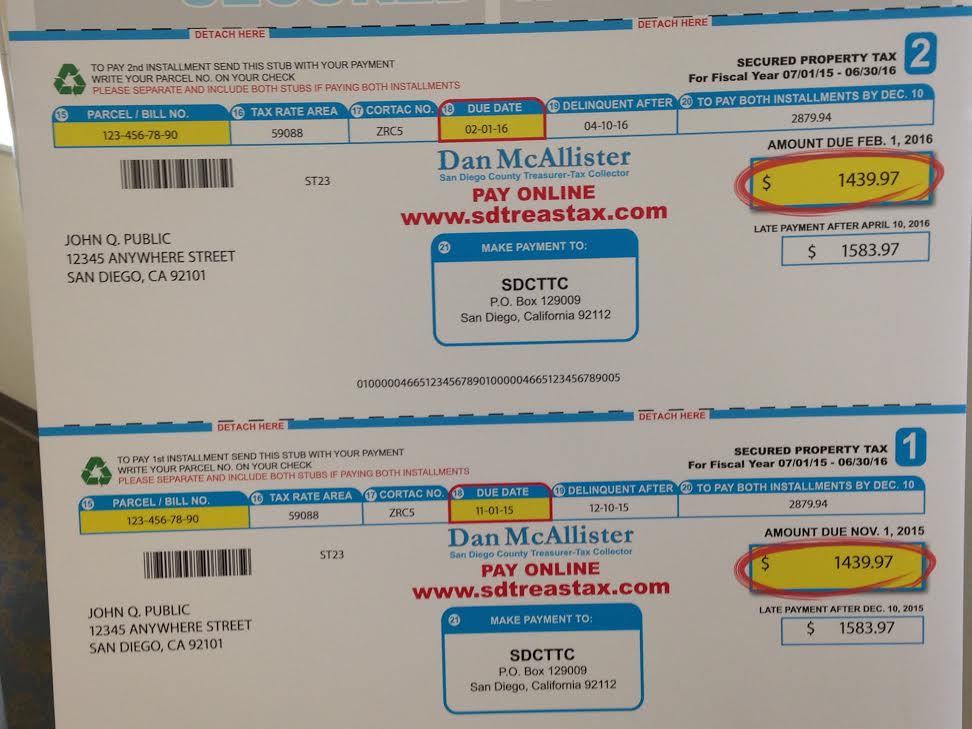
You can check your property's assessed value online through the San Diego County Assessor's Office website by entering your address or parcel number. This shows your current assessed value, previous assessments, and any exemptions applied. Comparing this value to recent sales of similar homes in your San Diego neighborhood helps determine if you're overassessed.
Not yet. TaxDrop currently serves Texas only. Join the waitlist on this page and we'll let you know when we launch in California.
A successful property tax appeal in San Diego County reduces your home's assessed value, which directly lowers your annual property tax bill. The savings continue year after year until your next reassessment. Most successful appeals result in immediate refunds for the current tax year plus ongoing annual savings.
Homes in San Diego County are often overassessed when the assessor uses outdated comparable sales data or doesn't account for property condition issues, location factors, or market fluctuations. Rapid price changes in areas like San Diego, Chula Vista, and Oceanside can lead to inflated assessments. The county processes thousands of assessments annually, making errors inevitable.
Yes, landlords and investors can appeal property taxes on rental and commercial properties in San Diego County using the same process as homeowners. Successful appeals on investment properties improve cash flow and investment returns significantly. Many San Diego County investors save thousands annually by challenging overassessed rental properties and commercial buildings.
Missing the November 30th deadline means you cannot appeal your current assessment and must wait until next year's filing period opens on July 2nd. You'll continue paying the potentially inflated tax amount for the entire year. However, you can start preparing early by gathering comparable sales data and property information for next year's appeal.