Serving DCAD Texas Property Owners

Dallas County Property Tax Protest — How to Appeal & Save

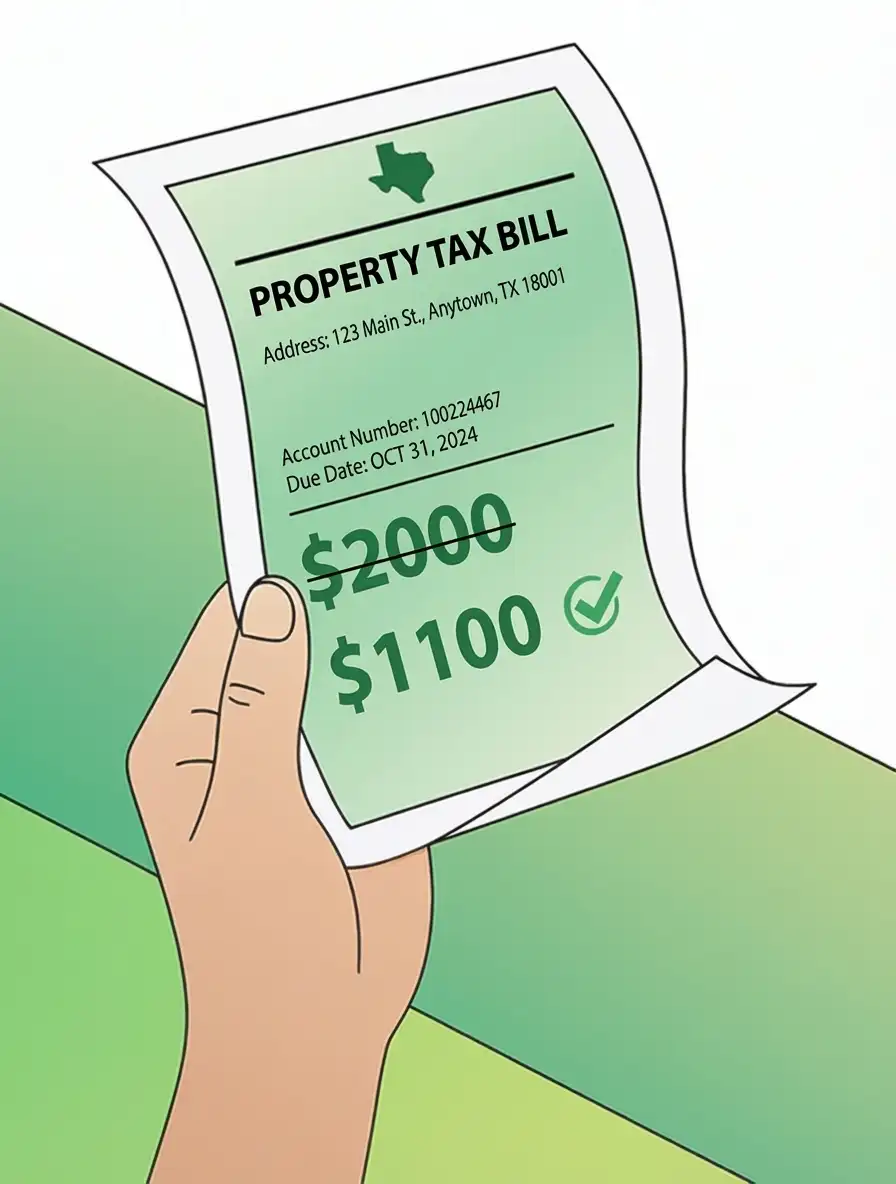
Dallas County homeowners overpay $950/year due to assessment errors. We fix that.

100% Done-for-You - We handle everything

Licensed Tax Pros - Texas experts

Only Pay If We Win - 25% contingency

Thank you! Your submission has been received!
Oops! Something went wrong while submitting the form.
Serving DCAD Texas Property Owners

Why Your Dallas County Property Tax Bill Keeps Rising (And What You Can Do About It)

If you're reading this, you probably just opened your Dallas County property tax bill and felt that familiar punch to the gut. You're not imagining it – your taxes did go up again, even though your income didn't. The average Dallas County homeowner now pays between $4,000-$12,000 annually in property taxes, and many are overpaying by hundreds or even thousands due to assessment errors.

Here's what most Dallas County homeowners don't realize: the Dallas Central Appraisal District (DCAD) uses automated systems to value nearly one million properties. These computer models can't see that your foundation has settling issues common to Dallas clay soil, or that your street became a cut-through for busy traffic, or that the comparable sales they used were from neighborhoods with better amenities. They simply assign values based on broad formulas – and those formulas often work against you.

The Dallas County Property Tax Protest Process Actually Works in Your Favor

Unlike dealing with the IRS or other government agencies, Dallas County property tax protests have built-in advantages for homeowners. The system requires DCAD to prove their valuation is correct – not the other way around. Independent review boards hear these cases, and they're often sympathetic to homeowners who present solid evidence. The challenge is knowing how to build that evidence and present it effectively.

Most successful Dallas County property tax protests focus on three key areas: comparable sales analysis (showing similar homes sold for less), property condition factors (foundation issues, busy roads, functional obsolescence), and assessment methodology errors (wrong square footage, incorrect property characteristics, or outdated information). When presented properly, these arguments regularly result in 10-20% reductions.

Why Most Homeowners Don't Protest (And Why They Should)

The biggest reason Dallas County homeowners don't protest their property taxes? Time and complexity. Between researching comparable sales, understanding assessment methodology, preparing evidence packets, and attending hearings during work hours, most people simply can't manage the process. That's exactly why professional property tax consultants exist – to handle the months of work while you go about your life.

The second biggest concern is cost, but here's what makes property tax consulting different: you only pay if we win. Our fee is 25% of your first year's tax savings, which means if we save you $1,000, you pay $250 and keep $750. If we don't reduce your taxes, you owe nothing. It's the only risk-free way to fight an overassessment.

Time Is Your Enemy – Dallas County Protest Deadlines Are Strict

Dallas County property tax protests must be filed by May 15th (or within 30 days of receiving your notice, whichever is later). Miss this deadline, and you're stuck paying the inflated amount for an entire year. That's not just this year's overpayment – it becomes the baseline for next year's assessment too. Every day you delay costs you approximately $2-3 in additional taxes you'll never recover.

The process moves quickly once started: we analyze your property within 48 hours, build your case over the following week, then represent you through informal and formal hearings from May through July. Your new (hopefully lower) tax bill arrives in August. The entire process requires about 5 minutes of your time – just enough to sign our representation agreement and provide property access if needed.

Want to Reduce Your Property Taxes?

Signup to have TaxDrop take care of your assessment protest for you. It takes less than 3 minutes to enroll and there is no fee if we don't win.

Start My Protest

Common Mistakes

  • Missing the May 15 Deadline - File by May 15 or within 30 days of receiving your notice, whichever is later. Missing this limits your options.
  • Not Using Texas-Specific Comparable Sales - Use recent sales of similar properties in Dallas County. Out-of-area or outdated comps won't be persuasive.
  • Skipping the Informal Review - Meeting with the appraiser before the ARB hearing often resolves protests faster and avoids formal hearing.
  • Protesting Based on Tax Amount - You must prove your property's market value is lower than the appraised value, not that taxes are too high.
  • Failing to Bring Evidence - The ARB requires documentation. Personal opinions without supporting data will result in denial.

How Filing An Appeal Works

Step 1: Review Your Notice Receive Notice of Appraised Value from Dallas CAD showing property valuation (mailed by April 15).

Step 2: File Your Protest Submit Notice of Protest to Dallas CAD by May 15 or within 30 days of receiving notice.

Step 3: Evidence Submission Provide comparable sales, appraisals, and documentation to support lower valuation.

Step 4: Informal Review Meet with appraiser for informal discussion (optional but recommended).

Step 5: ARB Hearing Present case to Appraisal Review Board panel if informal review unsuccessful (typically May-August).

Step 6: Decision & Adjustment ARB issues written order; if successful, assessed value reduced and reflected in tax bill.

Key Protest Filing Details

Filing Deadlines:

  • Regular Protests: By May 15 (or 30 days after receiving notice, whichever is later)
  • Late protests accepted until day before Appraisal Review Board approves records
  • No filing fee required Required Documents:
    • Notice of Protest form (available from Dallas CAD)
    • Evidence of market value (comparable sales, independent appraisal)
    • Copy of property tax notice showing assessed value
    • Supporting documentation (photos, repair estimates if applicable) Where to Submit: Dallas Central Appraisal District, 2949 N Stemmons Fwy, Dallas, TX 75247

FAQs

What is a property tax protest in Dallas County?

A property tax protest is a formal challenge to your property's assessed value by the Dallas Central Appraisal District (DCAD) when you believe it's overvalued. This legal process allows Dallas County homeowners to present evidence supporting a lower valuation. Property owners can save hundreds to thousands annually by successfully reducing their assessed value through the protest process.

How much can I save protesting property taxes in Dallas County?

Property tax protests in Dallas County typically save homeowners $500-$3,000 annually, with some saving over $5,000 depending on property value and assessment reduction. With Dallas County's effective tax rate of 1.74%, even a $50,000 reduction in assessed value saves $870 per year. Many Dallas homeowners recover their protest costs within the first year of savings.

When is the Dallas County property tax protest deadline?

The Dallas County property tax protest deadline is May 15 or 30 days after your DCAD appraisal notice is mailed, whichever is later. Missing this deadline means you cannot protest your assessment for that tax year. Check your specific notice for your exact deadline date, as it varies by property.

How do I know if my Dallas County property is overassessed?

Your Dallas County property may be overassessed if similar homes recently sold for 10-20% less than your assessed value, or if your value increased significantly more than neighboring properties. Compare your assessment using DCAD's Property Search and recent sales data. Property condition issues not reflected in your assessment also indicate potential overvaluation.

How long does the Dallas County property tax protest process take?

The Dallas County property tax protest process typically takes 30-90 days from filing to final resolution through DCAD. Timeline depends on whether you pursue informal review first and if your case proceeds to an Appraisal Review Board (ARB) hearing. Most cases resolve within 60 days during peak protest season from May through August.

What evidence do I need for a successful property tax protest in Dallas County?

Successful Dallas County property tax protests require comparable sales data from similar properties, documentation of property condition issues, and market analysis showing value trends. Professional appraisals, photos of relevant property characteristics, and recent sales within your neighborhood strengthen your case. The strongest evidence shows your property's market value is lower than DCAD's assessment.

Can landlords protest rental property taxes in Dallas County?

Yes, landlords can protest rental property taxes in Dallas County using the same process as homeowners. Investment properties, commercial buildings, and rental homes are all eligible for tax protests if overassessed. Many Dallas County rental property owners successfully reduce their tax burden through professional protest services, improving their investment returns.

What happens at a Dallas County Appraisal Review Board hearing?

A Dallas County ARB hearing involves an independent panel of citizens who review evidence from you and DCAD to determine your property's fair market value. The hearing typically lasts 10-20 minutes where both sides present their case. The ARB makes a binding decision based on the evidence presented, which becomes your official assessed value.

Should I protest my Dallas County property taxes myself or hire help?

Professional protest services in Dallas County typically achieve 15-25% higher reductions than DIY protests, with success rates around 80% versus 40% for self-represented cases. While you can protest yourself, licensed property tax consultants understand DCAD procedures, have access to comprehensive market data, and can represent you at hearings. Many services work on contingency with no upfront costs.

What's the success rate for property tax protests in Dallas County?

Approximately 60-70% of property tax protests in Dallas County result in assessment reductions when properly prepared with supporting evidence. Professional services achieve higher success rates of 75-85% due to expertise and comprehensive market analysis. Success depends on the strength of your evidence and whether your property is genuinely overassessed compared to market values.

How much does it cost to protest property taxes in Dallas County?

Many Dallas County property tax protest services charge no upfront fees and work on contingency, taking 25-50% of your first-year tax savings only if successful. DIY protests cost only your time and any evidence gathering expenses. Professional services typically pay for themselves through achieved savings, making the protest process risk-free for property owners.

Can I still protest if I missed last year's Dallas County tax protest deadline?

You cannot protest a previous year's assessment after the Dallas County deadline passes, except in rare circumstances like clerical errors or disaster damage. However, you can begin preparing for the current year's protest cycle immediately. Start gathering comparable sales data and property condition documentation to be ready for the next May deadline.

How do I start a property tax protest in Dallas County?

Start your Dallas County property tax protest by uploading your DCAD notice at app.taxdrop.com for a free analysis to see if you qualify for tax savings. Professional services will review your assessment, gather supporting evidence, and handle the entire protest process. You can also file directly with DCAD, but professional representation typically achieves better results with less effort on your part.

Other Counties We Cover